 admin
admin  September 19, 2017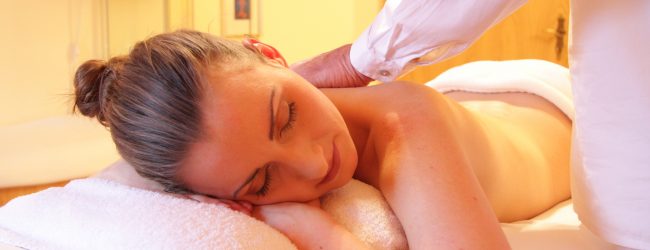
Massage therapy has been used for thousands of years to bring relief to the body. Most people will understand the benefits, but as well as the positive physical effects there are also considerable psychological benefits from receiving massage treatment.
Healthy Body Healthy Mind
Most people would agree that life is better when feeling healthy. Being massaged can bring physical relief from pain and discomfort from a number of physical problems including injury, the stiffness of limbs and pain. Being massaged brings a physical relaxation that assists in reducing tension, a problem most people can relate to and which is known to cause aches and pains throughout the body.
Being regularly massaged will help to reduce tension and result in a less troubled body. The old saying of healthy body, healthy mind is very true, and a body freed from tension through being massaged will result in a sense of greater relaxation, which is why it is known as a healing type of therapy.
Stress And Depression
Being massaged has been proven to help in the reduction of raised blood pressure and heart rate, which results in a reduction of tension and a feeling of relaxation. With relaxation comes relief from stress and an increased ability to relate to the body and the external world in a positive and pleasurable way.
Anxiety and stress are known to cause physical reactions, for example, increased levels of adrenaline and increased heart rate and blood pressure. The relaxing environment created by a therapist when giving someone therapy, as well as the therapy itself will assist in helping to reduce anxiety and tension and therefore assist in reducing levels of adrenalin and heart rate.
The manner in which therapy is given, together with the feelings of being the sole focus of the therapy, can help to reduce depression in recipients, and there have been a number of studies that reinforce this idea.
Style Doesn’t Matter
There are a number of different types of massage treatment available. Some of these are referred to as Swedish, Hot Stone, Shiatsu, Thai, and Aromatherapy. Regardless of the style and form, the benefits to the mind are the same. The common theme of all forms is to reduce tension, bring about relief from pain and discomfort, and promote feelings of well-being. If this is achieved, then anxiety and stress are reduced, allowing the recipient to feel happier and more relaxed. This, in turn, creates an increased ability to focus and extract the most from life.
Regularity Is Key
Rather than regard therapy as an occasional dip into the world of luxury and self-indulgence, anyone seeking a more fulfilled and relaxed existence would do well to access therapy on a regular basis.